Key Insights to Help You Navigate the Forex Market Confidently
The forex broker market—also called the international trade market—is the world's largest economic market, wherever currencies are acquired and sold round the clock. It works twenty four hours per day, five days weekly, and presents large possibilities for specific and institutional traders alike. But before entering this vibrant market, it's crucial to grasp how it features and what impacts its movements.
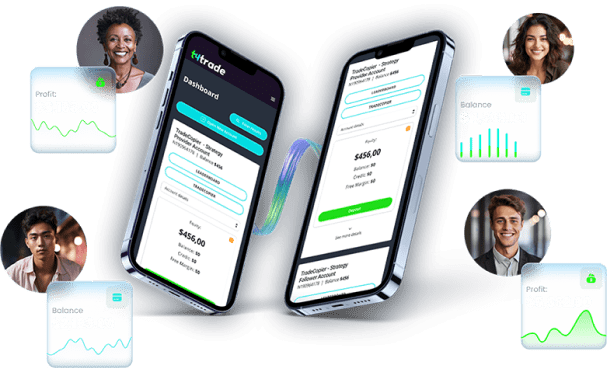
At its key, the forex industry is pushed by the change of just one currency for another. These exchanges arise through currency couples, such as for instance EUR/USD or GBP/JPY. The initial currency in the set is the bottom currency, and the second reason is the quote currency. When you industry forex, you're speculating on whether the base currency will enhance or destroy against the offer currency. An original part of forex trading is their international nature. The marketplace is decentralized, indicating it's perhaps not restricted to a single exchange. Instead, it runs via a network of financial institutions, banks, brokers, and specific traders. This worldwide setup permits large liquidity and rapid performance of trades across various time locations, from Tokyo to London to New York. One of many critical methods to understand is industry volatility. Currency values alter centered on financial media, geopolitical events, central bank conclusions, and market sentiment. For example, fascination rate changes, inflation knowledge, and employment numbers may cause sharp movements in currency pairs. Successful traders figure out how to understand these signals and adjust their techniques accordingly. Risk management also represents a vital position in forex trading. While the market presents variable control which allows traders to regulate bigger jobs with a relatively little bit of money, it's important to make use of this tool cautiously. Traders usually implement stop-loss and take-profit levels to handle potential failures and secure in gains. Understanding how to control exposure is imperative to long-term success in the market. Engineering has made forex trading more available than ever. Most traders use on line platforms that provide real-time pricing, analytic tools, financial calendars, and planning functions. These systems give a gate way to industry, enabling traders to execute instructions, monitor their positions, and perform technical examination all in one single place.
For novices, beginning with a clear knowledge of the way the forex industry performs is essential. It helps lower psychological decision-making and stimulates more informed, proper trading. Many experienced traders emphasize the importance of regular learning and changing to changing market situations, particularly given the international and fast-moving character of currency trading. To conclude, knowledge the basic mechanics of the forex market—currency sets, volatility, chance administration, and technology—lays the groundwork for a more confident trading approach. If you are just beginning or seeking to refine your skills, a clear grasp of industry fundamentals will always be your strongest software in navigating the entire world of forex.